
Loading...
Loading...
Region
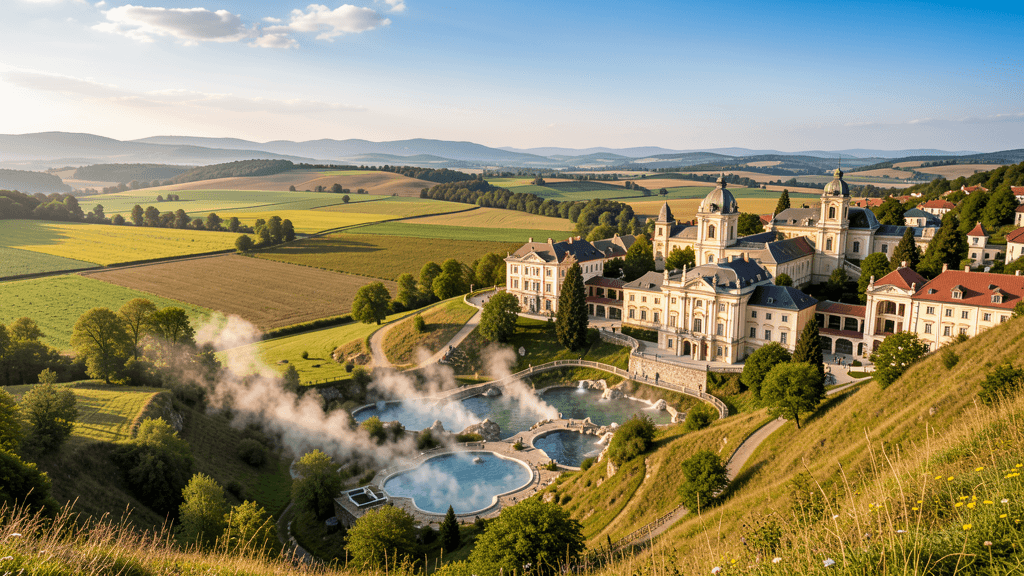
Use the regional atlas to read territories, heritage assets, and taste landscapes through a shared framework prepared for orientation, presentations, and route planning.
Hubs
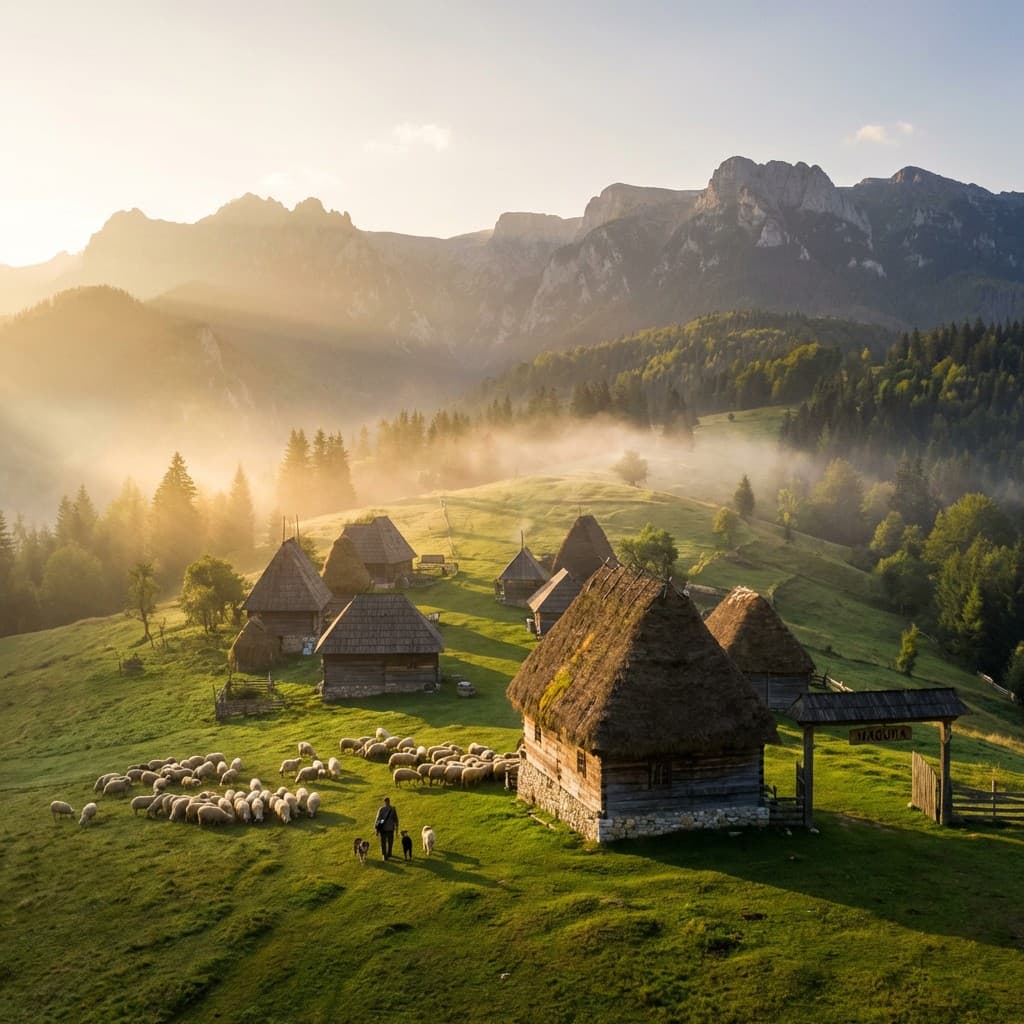
Review how thematic hubs coordinate tourism, culture, education, innovation, and local participation in a structure that remains legible both on screen and in institutional meetings.
Impact
Events, archive entries, and cultural gatherings show how public attention can be translated into participation, visibility, and practical regional support.

Explore ›
Start from the cluster overview, the territorial atlas, the hub network, or the events page, depending on the discussion you need to structure.
Read the platform through territories so routes, heritage assets, food stories, and local partnerships remain anchored in place.
~ TERRITORIES
The regional atlas is the primary entry layer of TraciaLand. Each territory brings together heritage, local actors, food narratives, and activation potential.
Explore all regions"A little EUROPE on the plate," multiculturalism, traditional recipes, small producers and biodiversity shaped by Romanian, German, Serbian, Hungarian, Swabian and Czech influences. The wine road, open-air museums, authentic gastronomy and the village gates open the way into BANAT - European Region of Gastronomy 2028. Timis, Arad and Caras-Severin, under the slogan "Fusion Beyond Borders", promote multicultural culinary diversity and place western Romania on the map of Europe's elite culinary destinations!
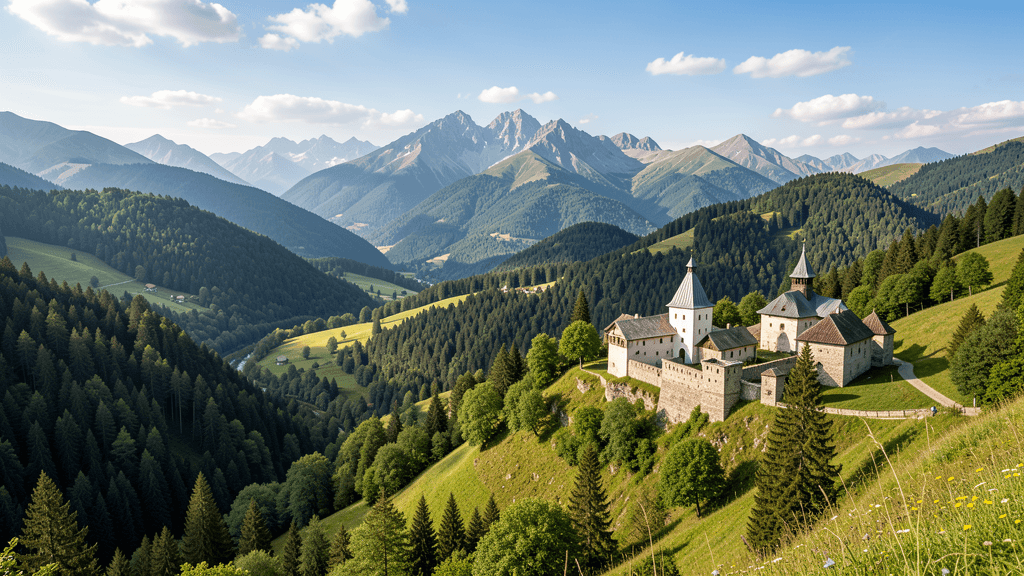
Bucovina - the Land of Beech Trees, with its painted monasteries included in UNESCO Heritage and its villages edged by forests, together with the Neamt Land, nicknamed the Pearl of Moldavia, are two lands full of spectacular nature, history and spirituality.
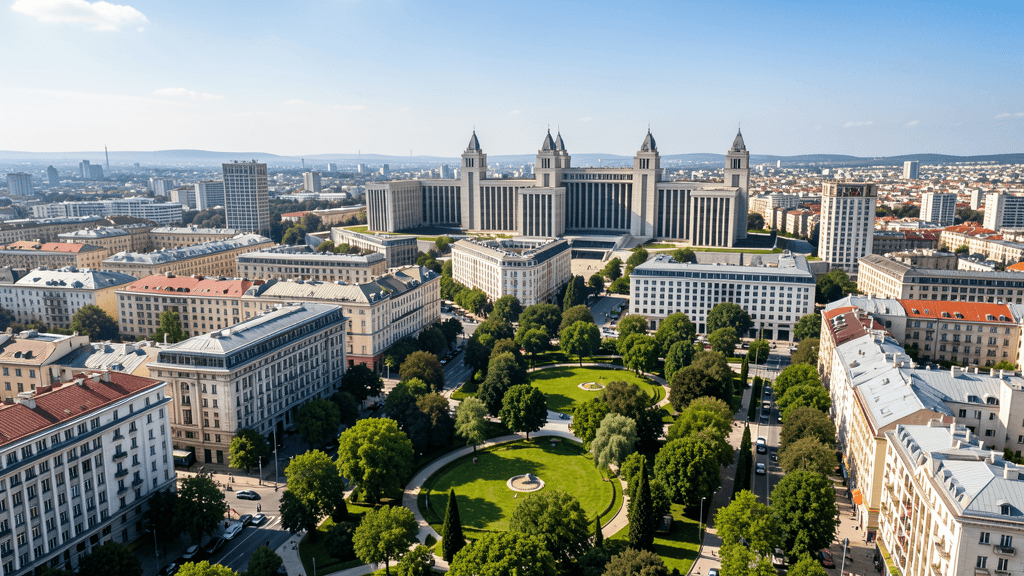
A vibrant combination of Bucharest's dynamic urban life, with festivals and diverse cultural attractions, eclectic architecture and nightlife, while the surrounding areas offer palaces, forests and the lakes of Ilfov, ideal for relaxation and nature getaways.
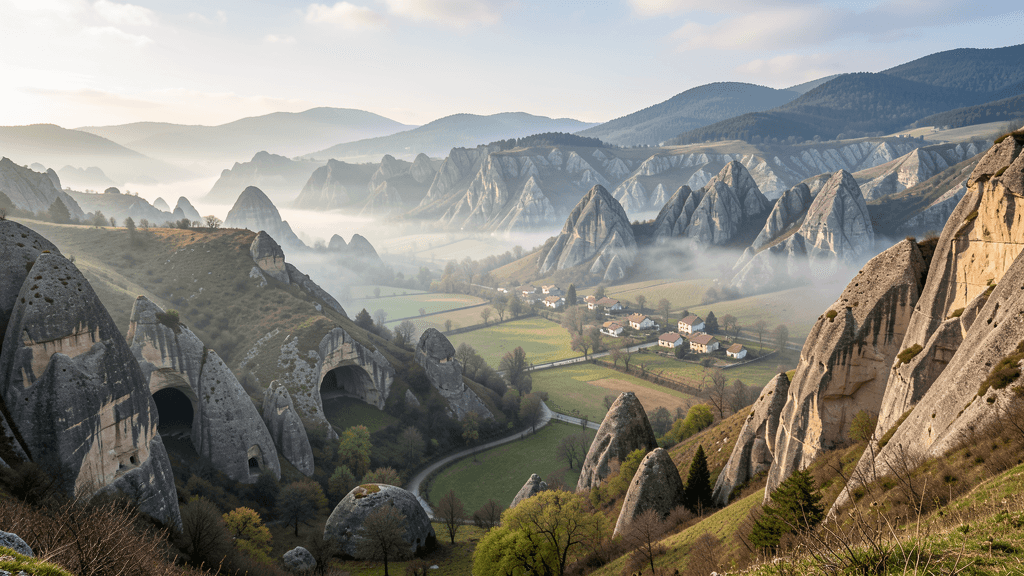
Spectacular nature, preserved traditions, impressive caves, mountain trails and picturesque villages in the Moti Land, together with renowned spa resorts, while Oradea is recognized for the Art Nouveau architecture found at every turn.
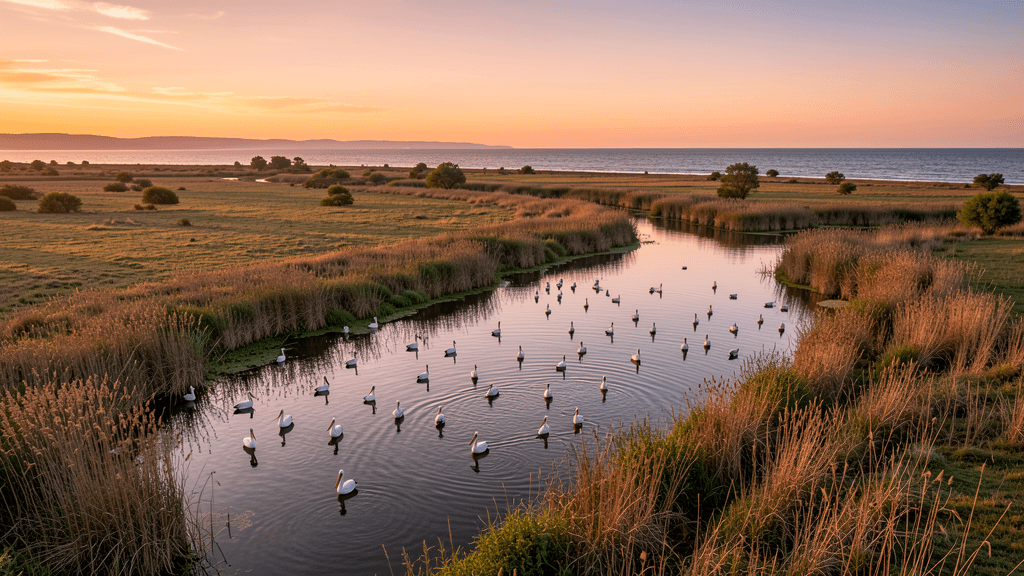
A living story between water, stone and wind, Dobrogea is a land where the wild waters of the Danube Delta intertwine with the stillness of the sea, while ancient history whispers to you among the ruins of Histria Fortress and the gentle ridges of the Macin Mountains.
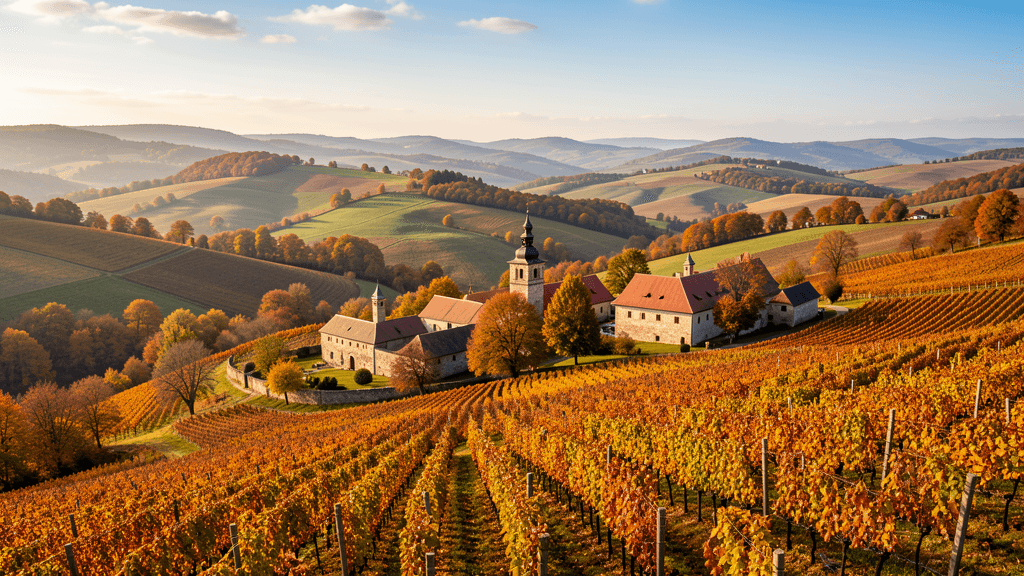
The Prut Valley is the ideal destination for those seeking relaxation, a unique combination of natural landscapes, living traditions and cultural heritage with a strong historical charge, monuments, old churches and archaeological sites. Rural tourism is very well represented, with countless festivals and events where visitors can discover local gastronomy based on natural products. Nature, dominated by fertile meadows, floodplain forests and wetlands rich in biodiversity, sheltering numerous species of birds and fish, is highly attractive to lovers of fishing and birdwatching.
Why the map opens the wider ecosystem
Territories connect heritage assets, hospitality, and events into coherent travel narratives that are easier to present and easier to follow.
Regional framing clarifies why local products, craft practices, and cultural experiences belong to a specific place and community.
PUBLIC ECOSYSTEM
The About page, the hub network, and the events section show that TraciaLand links regional development, cultural identity, and cooperation between partners.
Routes, products, and promotion gain credibility when they are supported by identity-based tourism policies, public programs, and practical work in the field.
Place-based identity and cultural continuity
Thematic hubs coordinating capacities and services
Public programs and partnerships that activate the network
The shared platform brings creative industries, tourism, local resources, and cultural projects into a common frame with economic and social objectives.
Read the platform overviewThe events page and archive show how launches, festivals, campaigns, and gatherings keep the network visible in public life.
Browse eventsThe homepage follows the same logic as the internal pages: territory, hub coordination, public activity, and a clear path to dialogue.
This makes it easier for visitors and partners to understand what TraciaLand is, how it operates, and where they can continue next.
The About page explains how cultural heritage, natural resources, and partner cooperation are brought together in a shared development platform.
Open the overviewThe map reads the country through regions and taste territories, giving routes, hubs, and local stories a clear geographic frame.
Open the atlasThe events page gathers activities, archive entries, and public programs that maintain the visibility of the network over time.
Open programsWhen there is interest in partnerships, programs, visits, or field activation, the contact page provides the clearest next step.
Contact the teamVisitors and partners can begin with a region and move naturally toward hubs, programs, and operational conversations.
The map offers a stable presentation surface for meetings, exhibitions, and institutional briefings about regional development.
The contact page turns institutional interest in routes, programs, exhibitions, and regional activation into a concrete conversation with the TraciaLand team.
Contact the team