Begin with Banat and Vest
Regional framework
Use the regional atlas to read territories, heritage assets, and taste landscapes through a shared framework prepared for orientation, presentations, and route planning.
The hubs that hold the network together
Hub coordination
Review how thematic hubs coordinate tourism, culture, education, innovation, and local participation in a structure that remains legible both on screen and in institutional meetings.

Programs that carry the network into public space
Events and archive
Events, archive entries, and cultural gatherings show how public attention can be translated into participation, visibility, and practical regional support.
Start from the cluster overview, the territorial atlas, the hub network, or the events page, depending on the discussion you need to structure.
These entry points keep the lite edition focused on regional identity, thematic coordination, public programming, and institutional outreach.
Each page works as a clear briefing surface for presentations, exhibitions, guided visits, and first-contact discussions.
Regional Atlas
Read the platform through territories so routes, heritage assets, food stories, and local partnerships remain anchored in place.
Open the atlas mapHub Structure
Review how thematic hubs coordinate tourism, culture, education, digital capacity, and community participation across the network.
Explore the hub networkPublic Programs
Follow the activities, archive, and event formats that translate the platform from presentation into public presence and participation.
See events and programsRead the regions where heritage, gastronomy, and cultural routes meet.
The regional atlas is the primary entry layer of TraciaLand. Each territory brings together heritage, local actors, food narratives, and activation potential.
From here, users can move into routes, hubs, public programs, and partnership conversations without losing geographic and identity context.
This territorial reading supports both public orientation and institutional discussions with organisers, hosts, and collaborators.
Banat - Vest
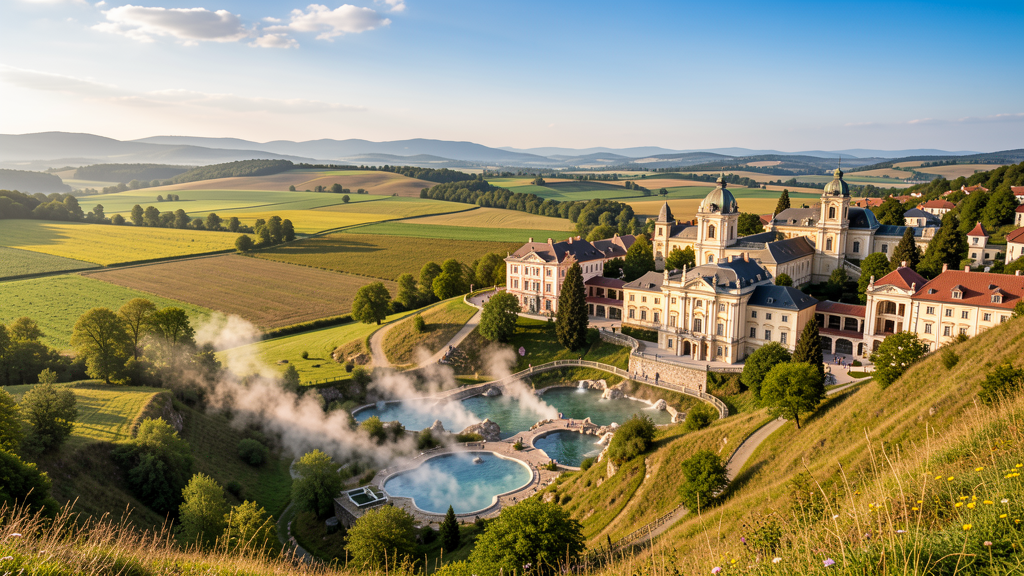
"A little EUROPE on the plate," multiculturalism, traditional recipes, small producers and biodiversity shaped by Romanian, German, Serbian, Hungarian, Swabian and Czech influences. The wine road, open-air museums, authentic gastronomy and the village gates open the way into BANAT - European Region of Gastronomy 2028. Timis, Arad and Caras-Severin, under the slogan "Fusion Beyond Borders", promote multicultural culinary diversity and place western Romania on the map of Europe's elite culinary destinations!
Explore all regionsRoutes with territorial context
Territories connect heritage assets, hospitality, and events into coherent travel narratives that are easier to present and easier to follow.
Local value remains visible
Regional framing clarifies why local products, craft practices, and cultural experiences belong to a specific place and community.
A structured starting point
Visitors and partners can begin with a region and move naturally toward hubs, programs, and operational conversations.
Built for guided use
The map offers a stable presentation surface for meetings, exhibitions, and institutional briefings about regional development.
The platform operates as a public ecosystem, not only as a showcase.
The About page, the hub network, and the events section show that TraciaLand links regional development, cultural identity, and cooperation between partners.
Routes, products, and promotion gain credibility when they are supported by identity-based tourism policies, public programs, and practical work in the field.
Place-based identity and cultural continuity
Thematic hubs coordinating capacities and services
Public programs and partnerships that activate the network
Shared development platform
The shared platform brings creative industries, tourism, local resources, and cultural projects into a common frame with economic and social objectives.
Read the platform overviewPublic programs activate the network
The events page and archive show how launches, festivals, campaigns, and gatherings keep the network visible in public life.
Browse eventsA clear path to partnership
The contact page turns institutional interest in routes, programs, exhibitions, and regional activation into a concrete conversation with the TraciaLand team.
Contact the teamThe homepage clarifies how regions, hubs, and collaborations connect.
The homepage follows the same logic as the internal pages: territory, hub coordination, public activity, and a clear path to dialogue.
This makes it easier for visitors and partners to understand what TraciaLand is, how it operates, and where they can continue next.
A visible development model
The About page explains how cultural heritage, natural resources, and partner cooperation are brought together in a shared development platform.
Open the overviewRegional reading stays central
The map reads the country through regions and taste territories, giving routes, hubs, and local stories a clear geographic frame.
Open the atlasPublic activity remains attached
The events page gathers activities, archive entries, and public programs that maintain the visibility of the network over time.
Open programsA clear next step
When there is interest in partnerships, programs, visits, or field activation, the contact page provides the clearest next step.
Contact the team